
Why E-Invoicing Needs a Leap into the Future?
In today’s hyper-connected marketplace, manual invoice processing through traditional Invoicing Software is a bottleneck. Companies wrestle with data-entry errors, compliance gaps, and delayed payments. In the UAE alone, the Federal Tax Authority’s move to real-time invoice reporting demands tighter integration between e-invoicing platforms and the AE Data Dictionary. Businesses need next-gen electronic invoicing software that can handle XML/UBL formats, instant FTA integration, and expanded data fields—trade item numbers, logistics IDs, precise payment terms, without the constraints of legacy ERPs.
Blockchain: The Immutable Backbone for E-Invoice Software
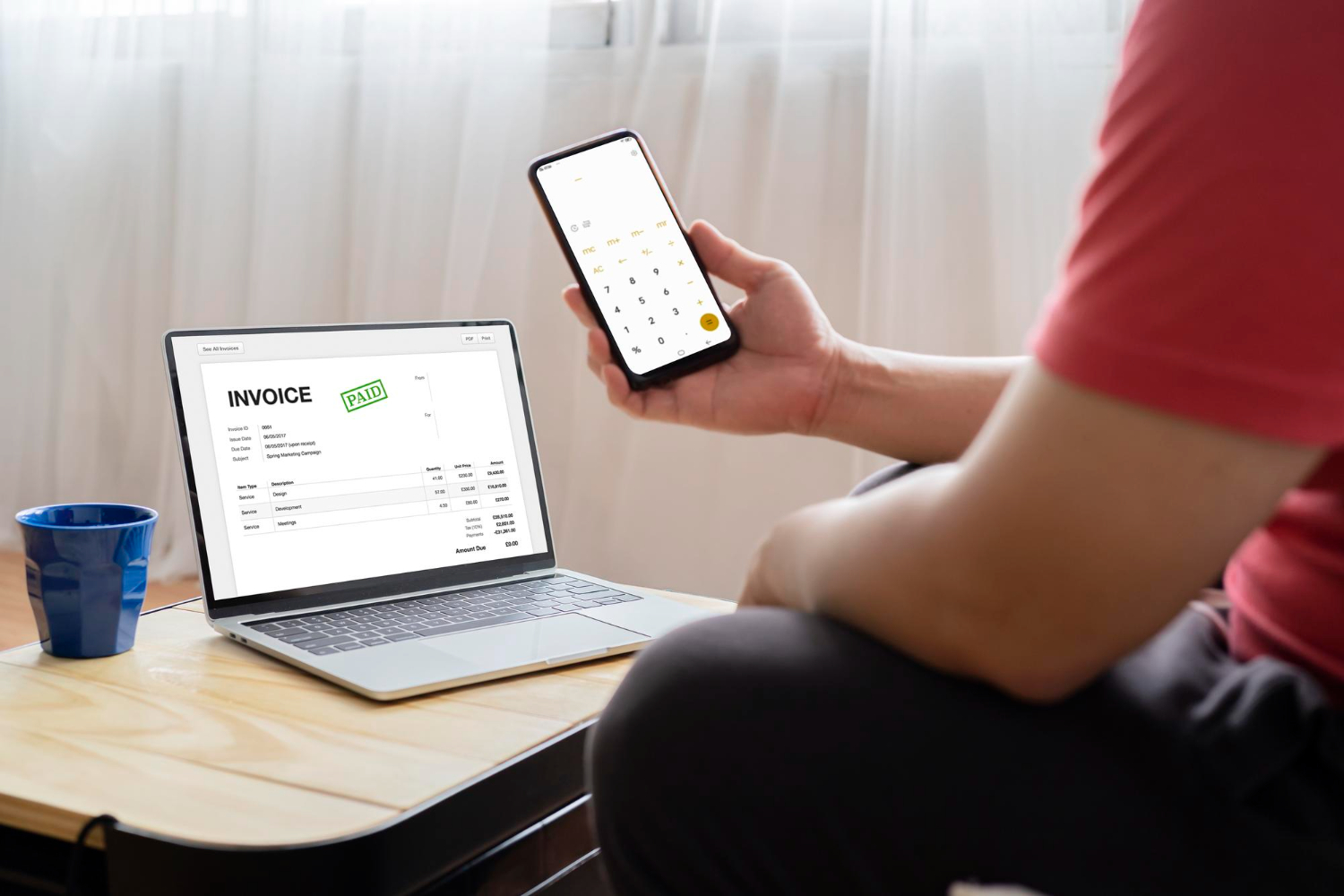
Imagine every invoice issued by your e-invoice software becoming a permanent “block” on a distributed ledger, cryptographically chained to its predecessors. Once recorded, it can’t be altered, ensuring:
- Unbreakable Audit Trails: Each invoice version, approval step, and amendment is time-stamped and visible to authorized parties.
- Built-in Fraud Prevention: Duplicate or tampered invoices trigger instant alerts, slashing dispute volumes.
- Global Consistency: A shared ledger bridges multiple tax jurisdictions, letting multinationals harmonize data definitions and meet diverse e-invoicing mandates under one protocol.
Smart Contracts: Automated Trust in Your E-Invoicing Partner
While blockchain secures data, smart contracts embed business logic directly into each invoice generated by your E-Invoicing Partner:
- Trigger-Driven Payments: Upon delivery confirmation or milestone completion, the contract auto-releases payment—no human approvals required.
- Dynamic Terms: Early-payment discounts, late-fee penalties, and conditional interest rates adjust programmatically based on real-time performance metrics.
- Self-Executing Dispute Resolution: Built-in arbitration workflows and escrow mechanisms route contested invoices to designated mediators, slashing resolution times from weeks to hours.
AI & Oracles: The Smart Edge for E-Invoice Software
Integrating AI and decentralized oracles adds another layer of intelligence to your electronic invoicing software:
- Predictive Anomaly Detection: Machine-learning models flag pricing discrepancies or tax-rate errors before invoices hit the chain.
- Real-Time Data Feeds: Oracles supply live exchange rates, commodity prices, and shipment statuses into smart contracts, enabling autonomous execution of conditional terms.
- Confidential Compliance: Zero-knowledge proofs keep sensitive invoice details—like buyer identities or unit prices—private while still validating regulatory compliance.
Interoperability: Bridging Global Standards
To maximize blockchain and smart-contract benefits, e-invoicing must share a common framework. UAE firms’ AE Data Dictionary can map directly to blockchain invoice templates, while EU’s ViDA and Peppol standards offer a model for real-time VAT reporting and cross-border consistency in the GCC. API-first designs further simplify plug-and-play connections between ERPs, invoicing tools, and tax authorities, cutting custom integration costs. Unified schemas, metadata, and validation rules ensure invoices remain consistent worldwide, paving the way for seamless automated commerce.
Regulatory Roadmap: From Pilots to Mandates
- 2025 Sandboxes: Regulatory bodies in the UAE, EU, and LATAM are expanding fintech sandboxes, giving innovators room to test blockchain-based e-invoice software under provisional compliance regimes.
- Mandatory Rollouts by 2026: Following Brazil and Mexico’s lead, the UAE will require blockchain-enabled e-invoicing for all B2B transactions by July 2026, cementing its position as a regional leader in digital tax compliance.
- Vendor Readiness: Major ERP vendors (SAP, Oracle, QuickBooks) are embedding blockchain modules and smart-contract templates directly into their offerings, vastly reducing the technical barrier for adoption.
Final Words
As blockchain and smart contracts mature, E-Invoicing and electronic invoicing software will evolve from back-office necessities into strategic assets, driving cash-flow optimization, fraud resilience, and cross-border agility. Organizations that embrace these technologies today and choose the right E-Invoicing Partner will not only meet tomorrow’s regulations but also unlock new possibilities for automated, trustless transactions across the digital economy.
Ready to transform your invoicing process? Start by aligning your ERP with the AE Data Dictionary, explore blockchain pilot programs, and partner with fintech innovators to craft smart contracts tailored to your business needs. The future of e-invoicing is here—don’t get left behind.